Jul 17, 2026
Polypropylene Staple Fiber Needle Punched Geotextile
Cost-Effective Filter & Separation Fabric for Harsh Chemical Engineering Projects
Email: gavin @glorybridgeproject.com
WhatsApp/Phone: +8613127104111
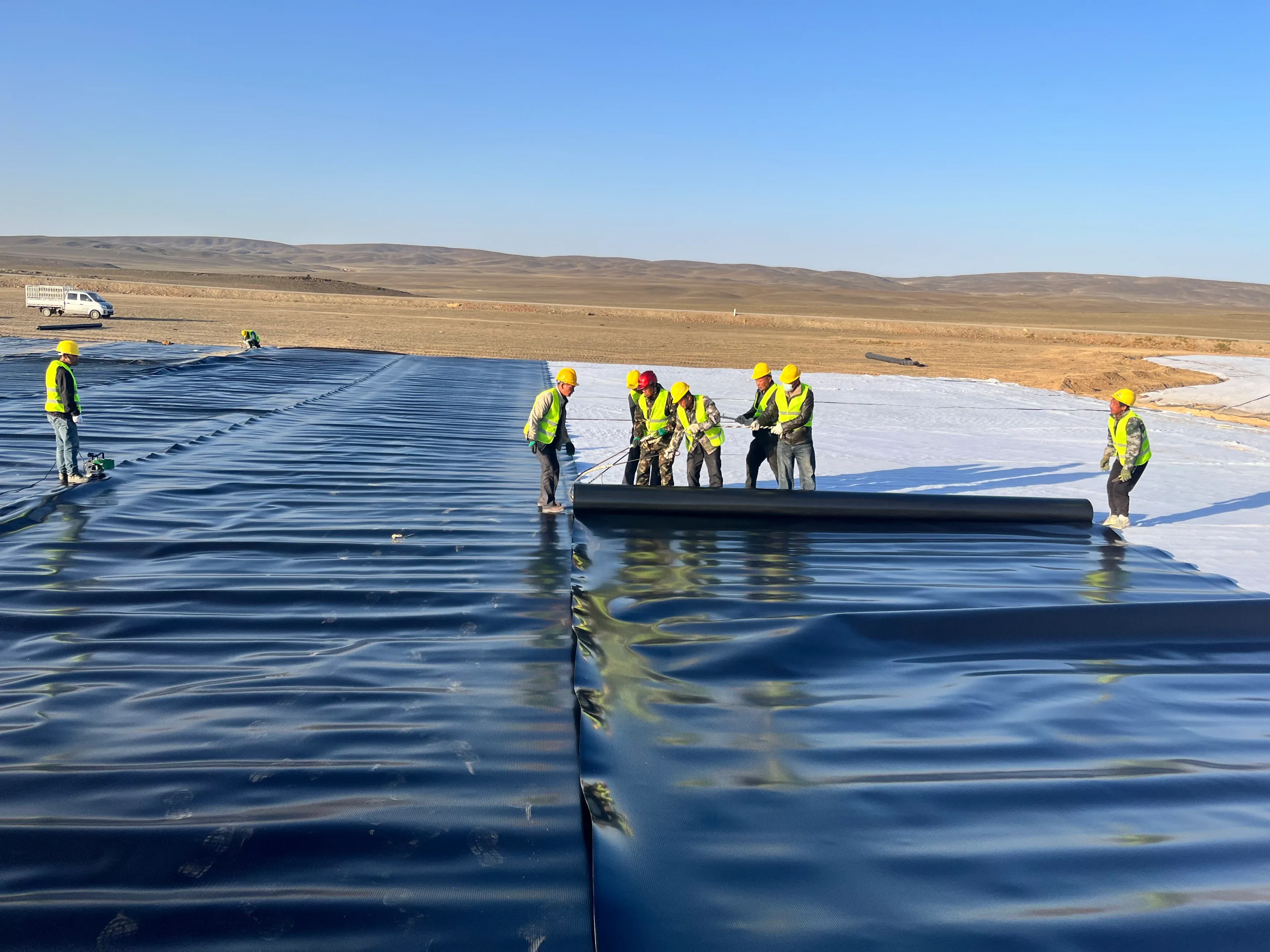
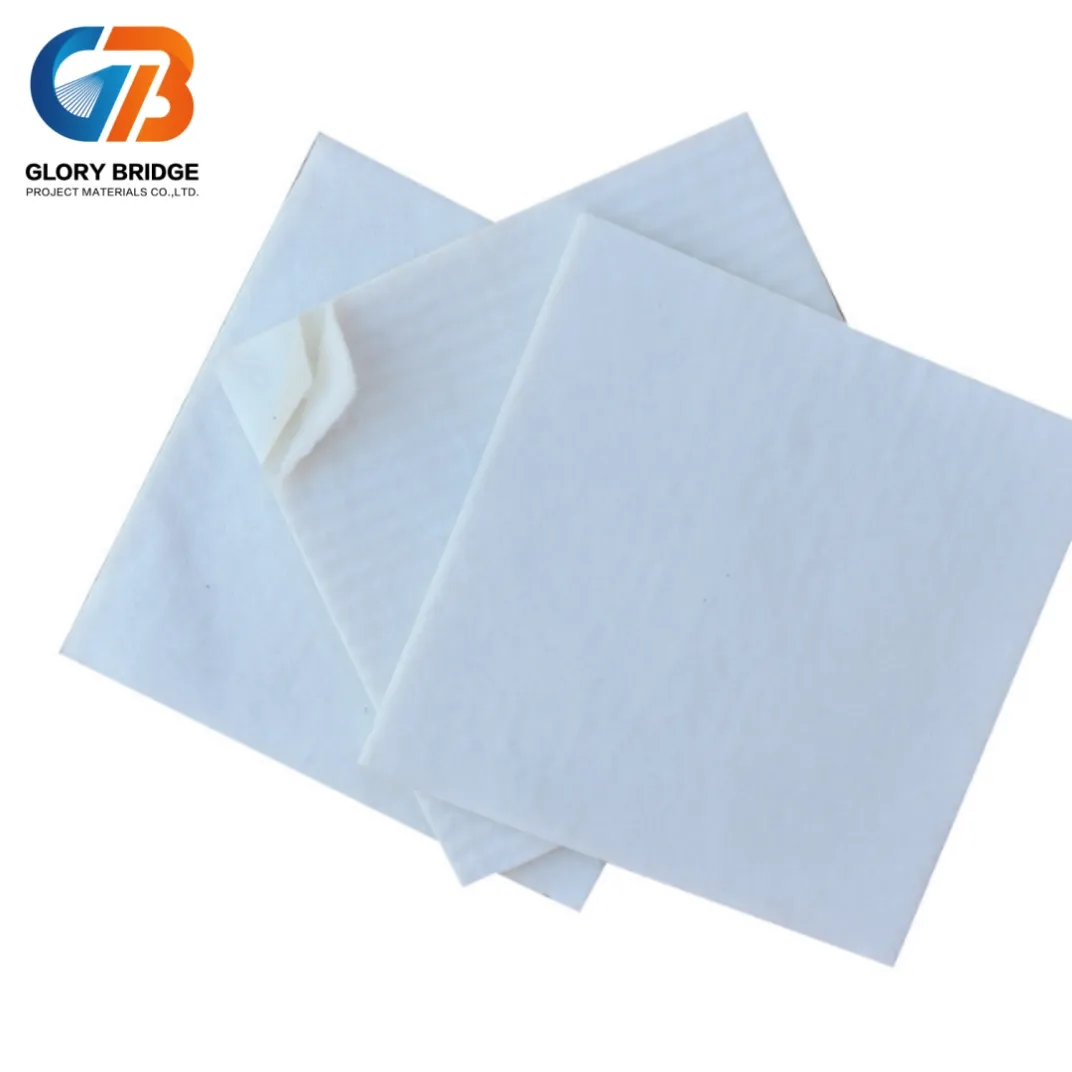
Polypropylene (PP) Staple Fiber Geotextile, short for PP staple geotextile, is manufactured from 100% virgin polypropylene short fibers via opening, carding and high-density needle-punching process. It forms irregular three-dimensional porous fiber structure with integrated functions of separation, filtration, drainage, protection and temporary reinforcement. Featured with ultra-strong acid & alkali resistance, zero water absorption and competitive price, it is widely matched with geomembrane, drainage board and geogrid for landfills, sewage tanks, saline soil road, river revetment and municipal underground projects worldwide.
Core Product Features
Our PP staple geotextile adopts high-purity PP fiber with optional anti-UV carbon black additives, fully compliant with GB/T 17638 and international ASTM testing standards. Core advantages are listed below:
Superior Full-Spectrum Chemical Inertness
PP fiber remains stable in pH 2–12 acid, alkali, salt, landfill leachate and industrial wastewater, no hydrolysis degradation in long-term alkaline soil or sewage environment, far better than polyester filament geotextile for corrosive engineering sites. Zero water absorption, natural hydrophobic property accelerates water drainage speed.
High Flexibility & Anti-Puncture Cushion Performance
Irregular staggered fiber structure provides excellent flexibility and buffering capacity. Under the same gram weight, it has higher elongation (35%–100%) to absorb construction impact, effectively protecting HDPE geomembrane from sharp gravel puncture damage.
Lightweight & Economical Raw Material
PP density only 0.91g/cm³, lighter than polyester; lower raw material cost brings obvious price advantage for large-volume projects. Max roll width up to 8m, reducing overlapping joints and accelerating on-site laying efficiency.
Stable Anti-Clogging Filtration Structure
Random fiber layers form tortuous uniform voids, stable apparent opening size AOS 0.08–0.22mm. It drains groundwater freely while intercepting fine soil particles, avoiding long-term drainage channel blockage.
Anti-Microbial & Anti-Corrosion
Resist mildew, bacteria, worm and marine microbial erosion, no rot or strength loss under long-term underground burial, suitable for coastal saline land and sewage treatment facilities.
Customizable UV-Stabilized Grade
Standard white PP geotextile for fully buried projects; black carbon black anti-UV type for temporary exposed slope, retaining over 70% original strength after 500h UV accelerated aging test.
Standard Specifications
Custom gram weight, width, length and color (white/black) available per project drawing requirements.
表格
Unit Weight (g/㎡) Min Tensile Strength (kN/m) CBR Puncture Resistance (kN) Standard Roll Width (m) Roll Length (m) Typical Application Scenarios
100 / 150 ≥7.0 / 11.0 ≥1.0 / 1.5 2/3/4/6/8 50–200 Landscape slope, blind ditch filtration, roof greening separation layer
200 / 300 ≥16.0 / 21.0 ≥2.0 / 2.8 2/3/4/6 50–150 Road subgrade separation, reservoir cushion, composite geomembrane matching
400 / 500 ≥27.0 / 34.0 ≥3.6 / 4.5 2/3/4 50–100 Landfill liner protection, sewage tank lining, saline soil road reinforcement
600 / 800 ≥40.0 / 48.0 ≥5.2 / 6.0 2/3 50–80 Coastal seawall, tailings pond, heavy chemical containment cushion layer
Key Hydraulic & Technical Index
Apparent Opening Size (AOS): 0.08–0.22 mm
Vertical water flow rate: ≥8 L/(m²·s)
Elongation at break: 35%–100%
Service life: 30–50 years under buried conditions
Wide Application Scenarios
- Environmental Solid Waste & Sewage Engineering Municipal landfill liner protective cushion, leachate tank filtration layer, sludge storage pool, hazardous waste yard lining. Resists long-term erosion of acidic and alkaline leachate, the preferred fabric over polyester geotextile for waste treatment projects.
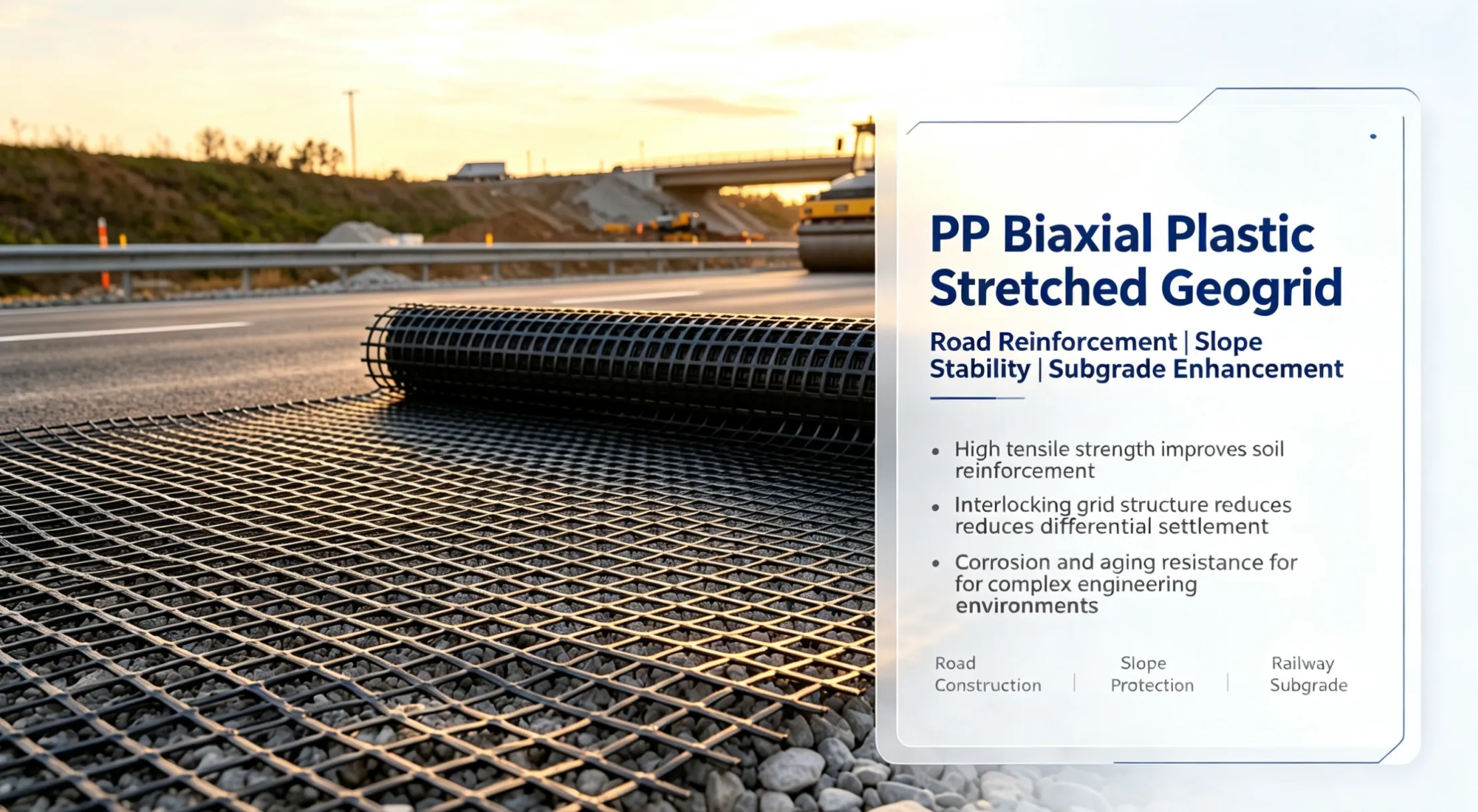
- Highway & Railway Infrastructure Saline soil roadbed separation & drainage, soft ground treatment, slope erosion control, bridge abutment backfill, temporary construction road. Low cost for mass filling projects.
- Hydraulic & Coastal Engineering River embankment, reservoir, seawall, tidal flat reclamation, channel anti-seepage cushion. Adapt to seawater and high-salinity soil without performance attenuation.
- Tunnel & Municipal Underground Works Subway tunnel drainage layer, foundation pit waterproof protection, underground pipe gallery filtration, basement drainage board matching cushion.
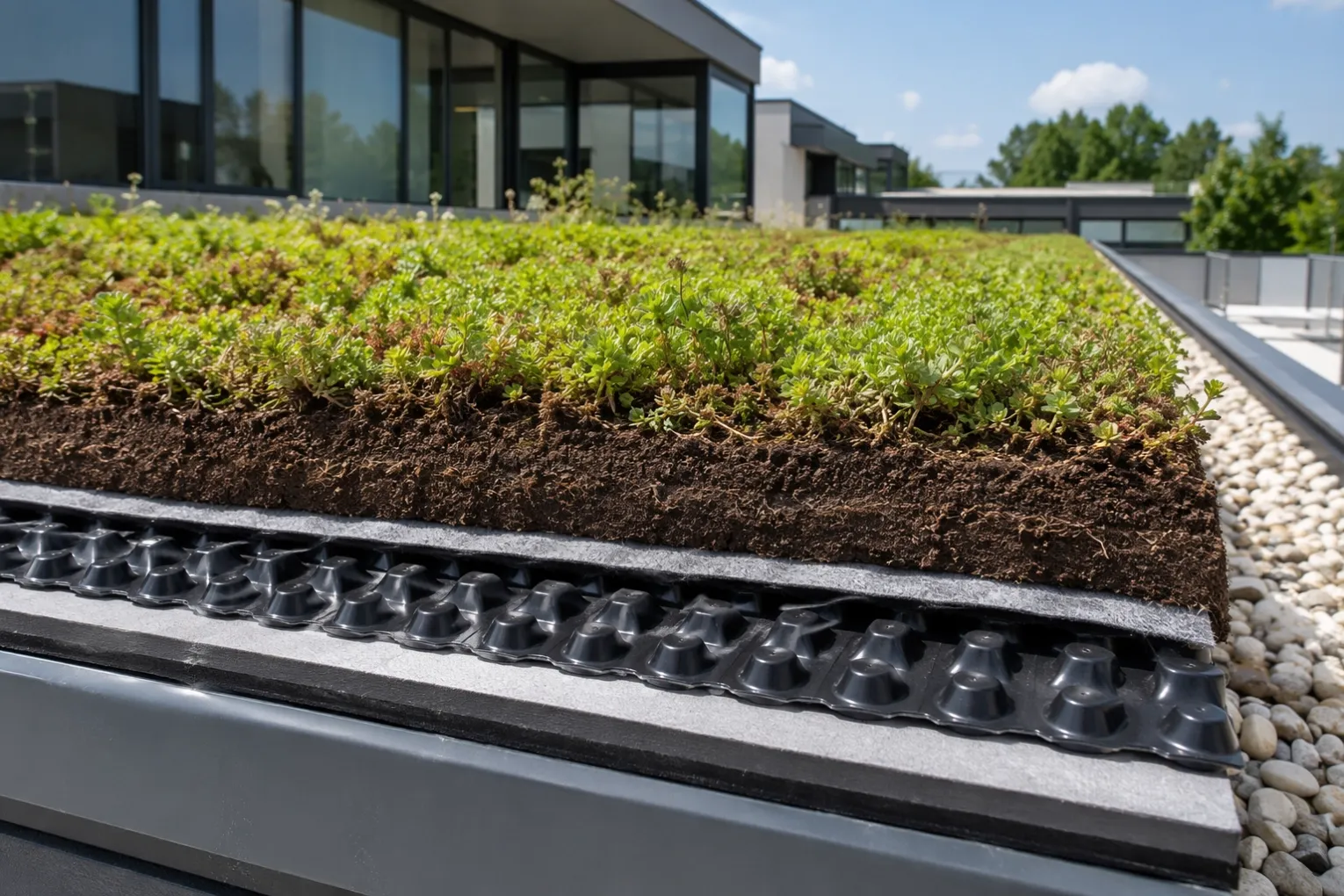
- Landscape & Aquaculture Projects Roof garden, football field drainage layer, fish/shrimp pond liner protection, park rainwater infiltration system. Non-toxic raw material meets aquaculture water contact standards. Five Core Engineering Functions Separation: Isolate different soil and aggregate layers to prevent intermixing and uneven settlement. Filtration: Permeate water flow, block fine soil particles to stop soil loss and channel clogging. Drainage: Form horizontal water flow channels to rapidly discharge excess groundwater and release hydrostatic pressure. Protection: Soft buffer layer prevents geomembrane from scratch, puncture and construction impact damage. Temporary Reinforcement: Disperse soil stress to improve short-term slope and subgrade stability. Product Classification & PP vs PET Filament Geotextile Comparison Two Main Grades Standard White PP Staple Geotextile General buried engineering grade, cost-effective, for landfill, sewage tank, road base, underground tunnel. Black UV-Stabilized PP Geotextile Added carbon black anti-UV agent, specially for temporary open-air slope, river bank exposed projects, must be covered with soil within construction period. Core Difference Between PP Staple & PET Continuous Filament Geotextile PP Staple Geotextile: Outstanding acid & alkali resistance, low cost, flexible, zero water absorption; slight creep, not recommended for permanent high-load reinforcement slopes. PET Filament Geotextile: Low long-term creep, superior anti-UV, high tensile modulus; vulnerable to strong alkaline environment, higher unit price. Compliance with International Standards Domestic Standard: GB/T 17638-2017 (Polypropylene Staple Fiber Needle-Punched Geotextile) International Test Standards: ASTM D4595, ASTM D4751, ISO 12236 Certifications: SGS Test Report, CE Certification, ISO 9001 Quality Management System Our Factory Services Customized Production: Adjust gram weight, roll width, length, anti-UV formula and color according to project drawings. Professional Technical Matching: Engineer team provides geosynthetic matching scheme for geomembrane, drainage board and anchor sheet, construction layout guidance. Stable Fast Delivery: Full-automatic needle-punching production lines, support FOB/CIF/DAP global trade terms, timely shipment to all major ports. Factory Direct Competitive Price: No intermediate merchants, mass production reduces unit cost for bulk orders. Complete After-Sales Support: Long-term technical follow-up, solve matching and construction problems for global contractors. Why Choose Our PP Staple Fiber Geotextile? We are integrated geosynthetic manufacturer with full series of geomembrane, drainage board, geogrid and geotextile products exported to over 80 countries. Our PP staple geotextile uses new virgin PP fiber with uniform pore distribution and stable chemical indexes, widely recognized by environmental, municipal and water conservancy contractors for harsh corrosive project solutions. If your project involves landfill, sewage tank, saline soil or coastal construction with strict anti-acid & alkali demands, our PP staple geotextile is your most cost-effective geotechnical fabric choice.